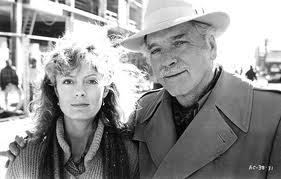
Burt Lancaster, playing an aging numbers runner.
By Lanny Morgnanesi
Years ago, before legal lotteries, small-timers from organized crime would visit neighborhoods. If you wanted to play a number, you gave them money. If the number hit, they would pay off.
When I was a very small boy, I remember my uncle getting a big new car and giving our family his old car. I asked my father why this happened and he said, “Your uncle hit the number.”
If you want to revisit the fading days of this type of gambling, watch the 1980 movie, “Atlantic City,” with Burt Lancaster and Susan Sarandon. It shows you how it worked, and how it could no longer work.
The illegal numbers system went into decline when governments decided they wanted in on the action. They saw big money in gambling; a way to raise revenue while holding down taxes. Single lotteries were approved and later expanded into multiple games and drawings.
Since then, the world apparently has gone upside down.
Governments now want out of lotteries, seeing them as an unnecessary expense. An April 29th story by Matt Katz of the Philadelphia Inquirer explains the new trend.
Governments are looking to save money in employee salaries. The lottery system in New Jersey, where privatization is being considered, employs 150, with seven people making more than $100,000. Plus, there are benefits and those very expensive pensions that are breaking the states.
There would be a short-term gain when a company (or companies) is awarded the contract. Long-term gain would come from taxing the profits of the privateers.
The Inquirer also points out the companies running lotteries for states make significant political contributions to those who gave them the contracts – a factor, no doubt, in any decision.
Still, I’m flummoxed by the economics of it all. It doesn’t work for me. I just can’t believe there is more money in not running a lottery than in running a lottery.
Organized crime never tried to get out of gambling.
Let’s not forget the possibility that privateers could rig the system. That, I think, is more likely than not. Whatever is done, is there any guarantee people will like it better? Maybe those Burt Lancaster-type guys will respond to public dissatisfaction and creep back into the neighborhoods.
Then what will government do?
New cops, after all, mean new pensions.
Best to leave things as is.
 notebookm.com