Archive | Sports RSS feed for this section

When a Hero’s Brilliance Dims

10 Nov

By Lanny Morgnanesi

I’m not necessarily a Yankees fan, but I respect and admire the team’s tradition of excellence. I’m more than willing to pay homage to Ruth, Gehrig, DiMaggio, Mantle, Maris, and all the others. They are legends of hard work, talent, and accomplishment.

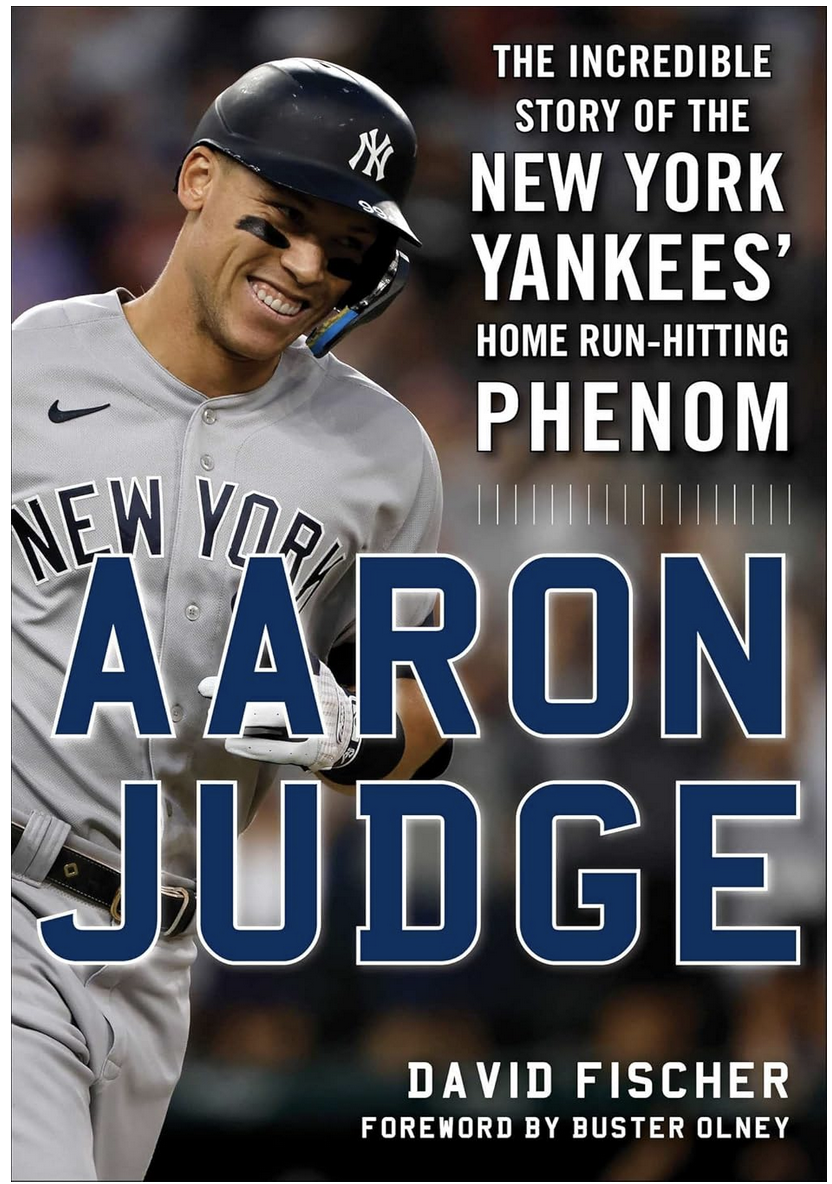
 Aaron Judge, a six-time All Star and the 2017 Rookie of the Year, is a contemporary reflection of past greatness, an equal to the best of Yankee history with his 2024 regular season stats of 58 home runs, 144 RBIs, 180 hits, and a .322 batting average. His brilliance, however, dimmed in the World Series against the Los Angeles Dodgers. Judge’s inability to hit caused me discomfort and concern, as if his setback was my own.
It also made me remember the fate of a guy named Sonny Z, the best ball player ever to play in our neighborhood.

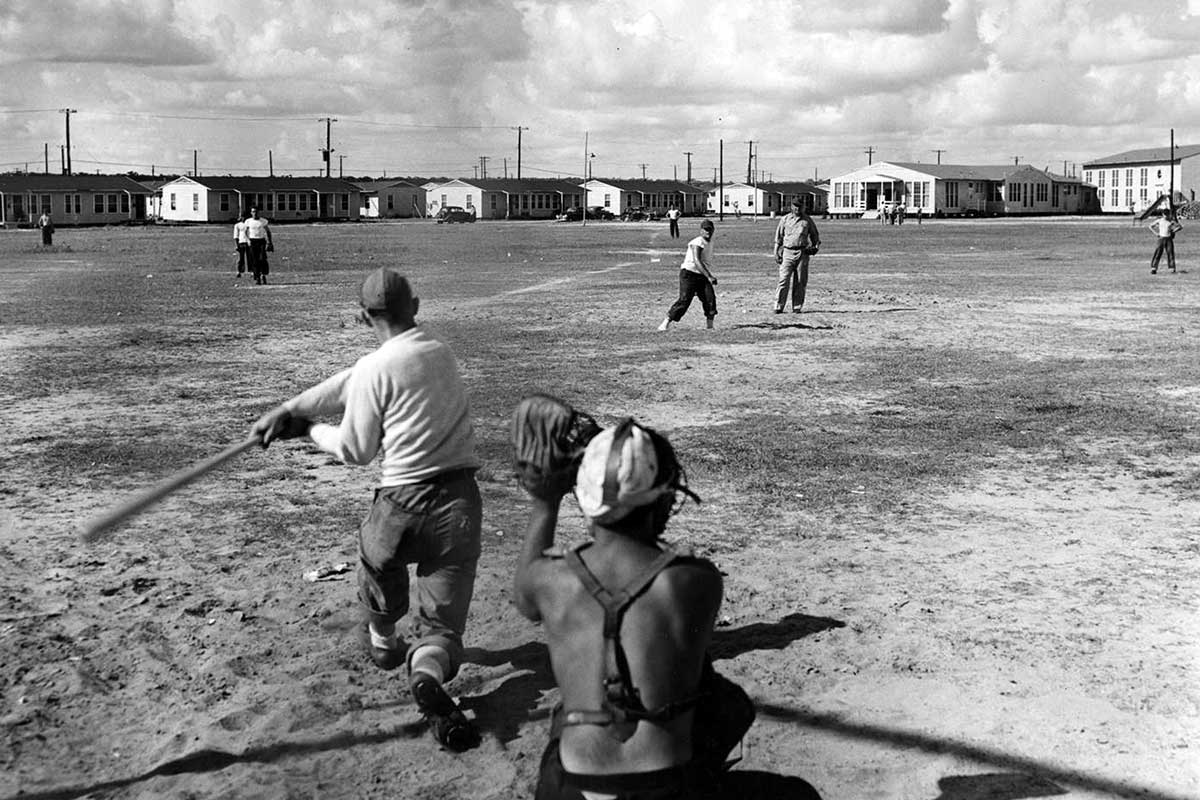
 We were 12 when Sonny Z entered out lives.  He was not from our neighborhood but had a girlfriend there, the older sister of someone in our gang. Although he was 19, Sonny Z often came out to our diamond and played with us.

 Sonny Z was everything that baseball was. He talked like a ball player, walked like a ball player, looked like one, spat like one. There was little about him that wasn’t baseball. Baseball was his preoccupation and his obsession. They say he played in semi-pro, or in an industrial league, or maybe just Legion ball. I can’t really remember. But the thing about Sonny Z was he played on a level much above ours, and he always played hard — even against 12-year-olds. We loved that about him.

Out on our sandlot, he’d amaze us with his catches. When he came to bat, we watched him intently. We wanted to see his swing, to learn from it, to feel its power and to hear the thunderous crack of his bat. Inevitably, he would send our centerfielder running after a ball that landed way over his head and rolled and rolled and rolled, nearly into the next county.
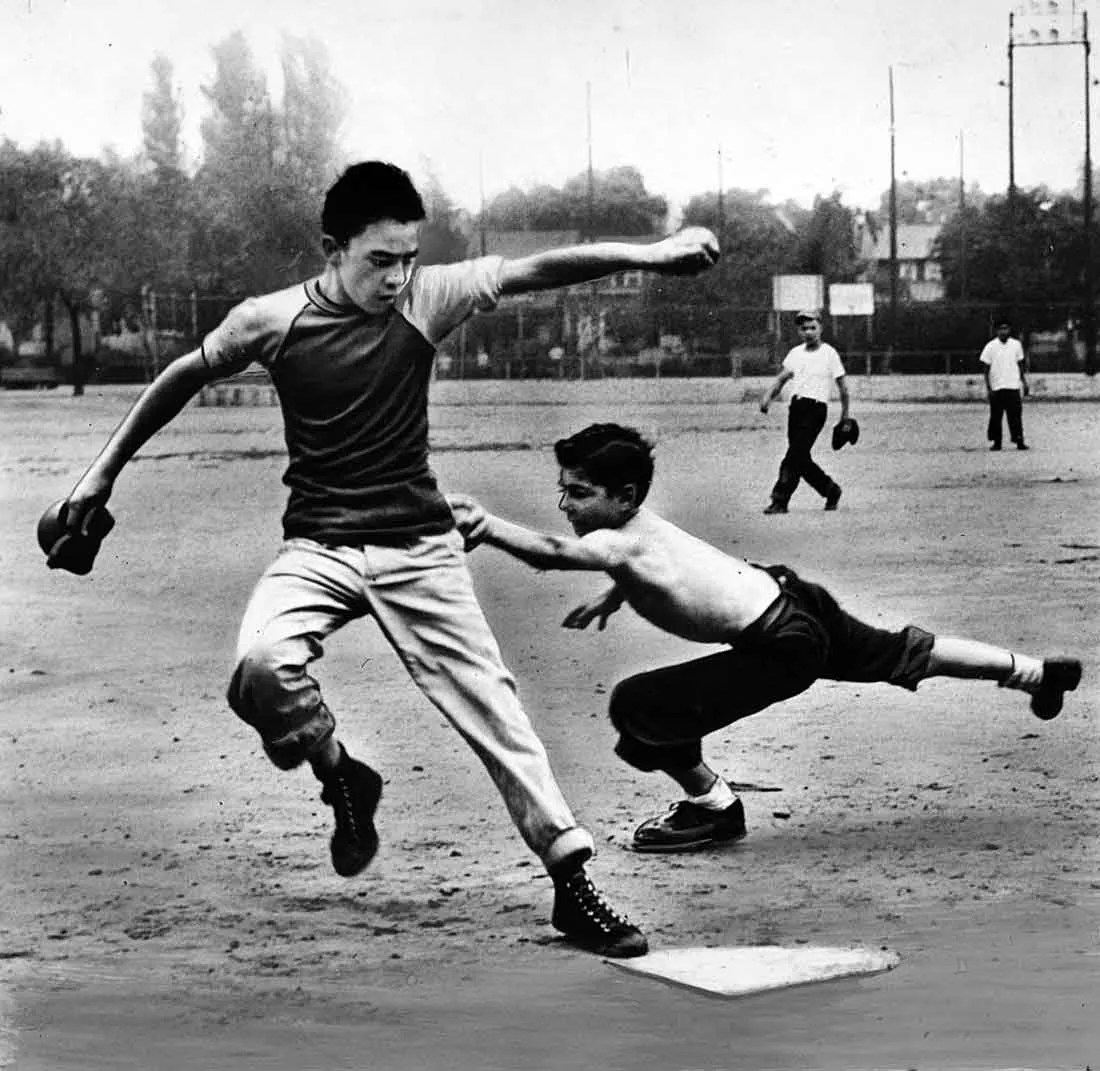
Sonny Z sometime sat with us and told us of his baseball exploits. We were a rapt audience. Once, the subject of his name came up. The “Z” stood for a long Polish name we could not pronounce. And “Sonny,” it turned out, was not his real name. His real name was Marion. We thought “Marion” was a girl’s name and wondered how the very masculine Sonny Z ever got such a name.

“It’s spelled with an ‘O.’ That’s a man’s name,” he said.  “The girl’s name is spelled with an ‘A’.”

One hot summer day, Sonny Z visited his girlfriend and joined us later on the ballfield. The bases were loaded with two outs and Sonny Z was up. He was, of course, going to hit a grand slam home run and clear the bases. We all knew this. He even told us so. The pitch came and – bang – there went the ball, high and far to centerfield. Playing center that afternoon was . . . me,  one of the least-skilled athletes in our group. But when Sonny Z came to bat I knew enough to play deep. As the ball soared above me, I ran as fast as I could. I can’t recall if I was looking up or down, or even if I had my eyes open. I just remember running. Finally, in near exhaustion, I stuck my glove in the air, tripped over my own two feet and fell to the ground. When I got up, the ball was in my glove.

A little shrimp, a talent-less pipsqueak, had robbed the great Sonny Z of a grand slam home run.

Across the infield, the outfield, and among the players on the sidelines, there was a pronounced sigh of disappointment. And I felt guilty, as if I had done something wrong, as if I had harmed someone I loved. As I ran in to bat and Sonny Z ran out to take the field, he patted me on the head and said coldly, “Nice catch, kid.”

 A month later there was big news. The biggest news of the summer, or perhaps of ever: Sonny Z was going to try out with the Philadelphia Phillies.

 For us, this was like winning the lottery, or having your parents buy a candy store, or your new teacher being a former underwear model for the Sears cateloge. Better than all that. Soon we would have a friend and pal who is a for-real professional ball player.  Someone who played on our modest little sandlot will be taking the field on game day at Connie Mack Stadium. We’ll know his name, we’ll know him, we’ll know his girlfriend. We’ll know the things he says and does, like flipping an imaginary switch on the heel of his glove and saying, “OK. The vacuum cleaner has been activated.”

When the day of the tryout came, we were too nervous to play. Instead, we sat around trying to anticipate how the tryout would go. Would Sonny Z send one out of the park? Would he make a flying grab? Would he get on base and quickly steal second? I think we even prayed, which we had never done as a group.

Then we waited.
It may have been the next day, or a couple days later. Sonny Z returned to our neighborhood. We ran toward him and leaped about. He looked solemn, but we ignored that and considered it modesty. “How did you do?” we asked. “How many hits did you get? Did they take you? Will you play this season or next, or go to the minors first? What was it like? What was it like?”

Sonny Z’s girlfriend was standing in the doorway of her house. Just standing, like it was a normal day. Sonny Z looked back at her, then to us. “I guess I did OK,” he said with vacant eyes. “Hit a couple. Made a good catch. There were lots of good players there.”

As a group, my friends and I deflated. Our soaring spirit crashed onto an already cracked pavement. Although it was hard to believe, we slowly, fog-like, accepted this new reality. The truth way,  Sonny Z had been told by the Phillies that he was ordinary, which in the world of ambition is the worst they can say about you.

Sonny Z’s girlfriend called, and he walked away.

“Will they give you another chance?” we asked, and he did not answer.

I can’t recall if we ever saw him again, or ever heard of him again. But he did break up with my friend’s sister, which took him out of our neighborhood and our lives. We were not hero-less, but for a long time it felt that way.  I’m sure the Yankee fans know the feeling.

People need to know their ship captain can sail through the storm; that their general will get them through the war; that the person they back for president will win; that when it’s the ninth inning, with two outs and the tying run on second and the go-ahead run – the hero — at the plate, he will do the job he was destined to do.

 The hero makes life bearable for the ordinary. When Aaron Judge can no longer hit, those who are ordinary – the great masses of us — experience personal failure. That’s why we depend on our heroes to succeed, and to succeed with honor and valor, with dignity and a kind of magic.  We only triumph through them. If they cease being heroes, then we are doomed in our ordinary-ness.
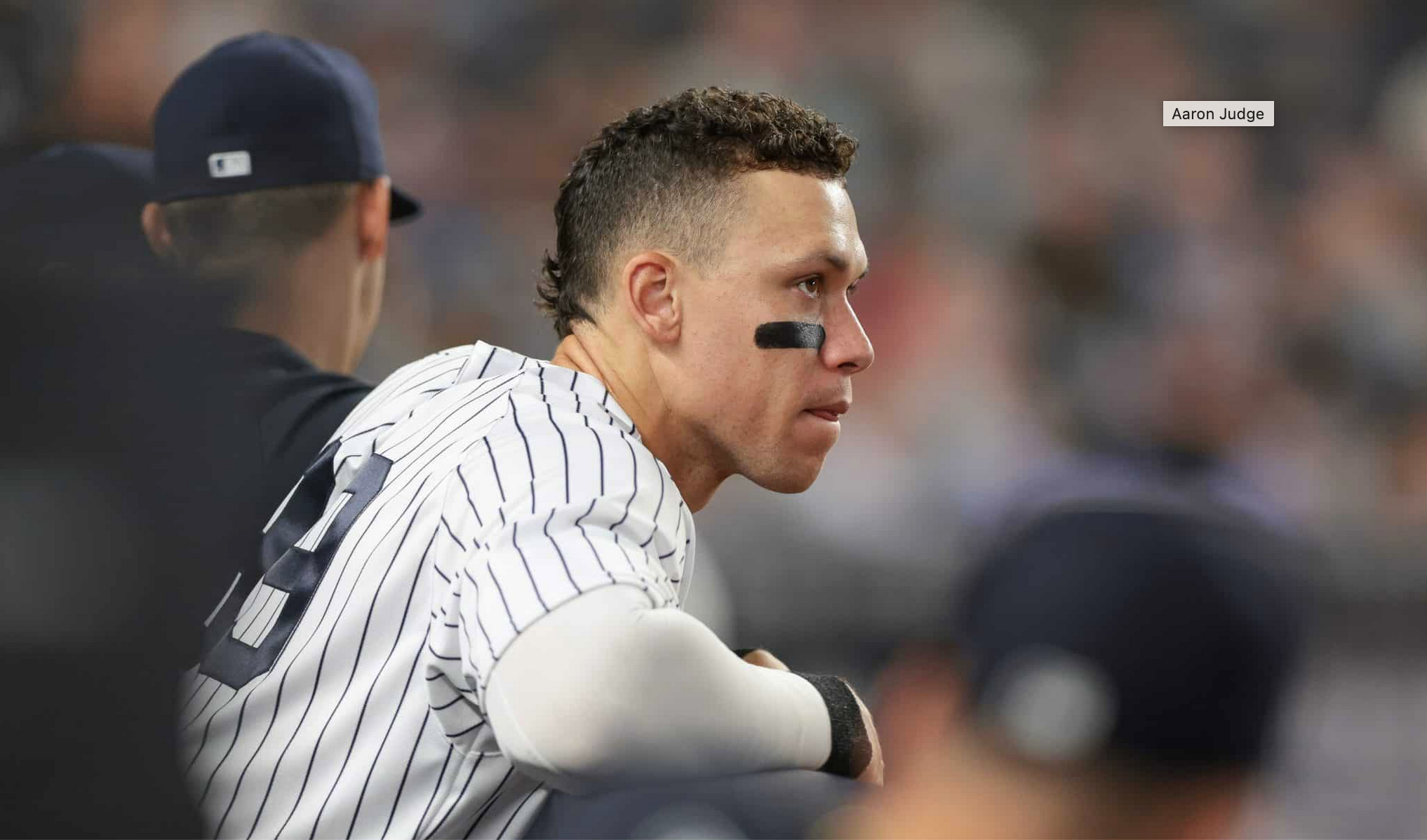
The most frightening thing for me about the Yankee-Dodgers series was the look on Aaron Judge’s face as he waited for a pitch. He’s a giant of a man with a granite jaw. Still, there was something about his face during those plate appearances that questioned his very being. It was deep doubt. A series like his would destroy an ordinary person. It would send most to the dust heap. As a professional, the great Judge surely will get past this. He’s not Sonny Z. As a dimmed hero leaving behind darkness, he can only shine brighter when the new season begins. And then everyone outside of LA can once again feel special, and the ordinariness of life will fade away, like the sun going down over the rightfield fence.

Who needs the sun when you have a hero.
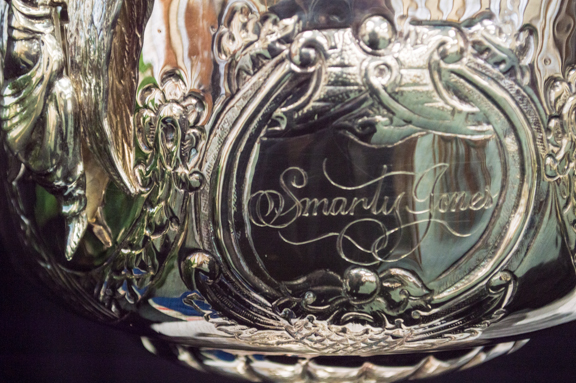
Greatness under my nose – the legacy of Smarty Jones is literally within my grasp

17 Oct

Smarty Jones (3 of 5)

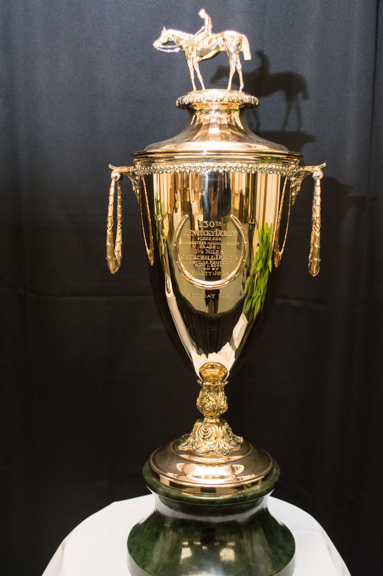
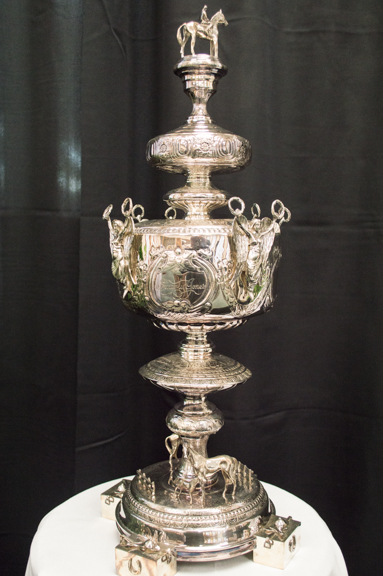
I was in the same room this week with a gold trophy from the Kentucky Derby and a silver trophy from the Preakness. The woman who owns them complained that she was forever polishing the silver one. It tarnishes so easily, she said.

She must use a lot of muscle because the shine was spectacular. The etched-in name of the winning horse was easy to read: “Smarty Jones.”

Smarty Jones (4 of 5)Smarty was indisputably the most popular horse of his era. I knew his story well because I was a newspaper editor in 2004 when this local three-year-old became the first undefeated horse since Seattle Slew to win the Derby. He went on to win the Preakness but came in second at Belmont after three jockeys and their horses ganged up on him and ran him down in the backstretch.

What I didn’t know was his owner lives down the street from me.

While she is a well-known figure in horse racing and has been written about widely, I’m not going to mention her name as a polite gesture to a neighbor.

But I will say she is a wonderful woman who loves talking about her favorite horse. Clearly, she is down to earth. Smarty won her more than $7 million (not counting the stud fees from the last 10 years) yet she hasn’t hired anyone to shine his trophies.

Smarty Jones (1 of 5)My neighbor knows the story of Smarty is a great tale of unexpected triumph. With little coaxing she will tell you every aspect of it.

  • How John Servis, Smarty’s able trainer, got the job after his predecessor was murdered.
  • How Smarty nearly killed himself when he hit his head on a starting gate, knocking himself out, losing blood and nearly going blind.
  • How the horse’s spunk and personality drew thousands of newcomers to racing, increased TV viewership of racing and garnered the owner sacks and sacks of fan mail, which on occasion she sits down and re-reads.

One of her best stories is about stopping into a market to buy Folgers coffee. Smarty had already won two legs of the Triple Crown and she had used her Visa for hotel rooms at the two events, meals for gangs of people and food and beverages for celebratory parties. So there wasn’t enough on it to buy the coffee. Visa, the company that sponsors the races her horse won, had cut her off.

The 129th Preakness StakesLater, during a VIP affair at the Belmont, she met a bunch of Visa execs and told them of her embarrassment at the market. As a consolation, they offered her a credit card with no limit, which she turned down, and a can of Folgers, which she accepted.

My neighbor won’t be hanging around the neighborhood much longer. She is bound for Florida and her horses. I wish her well and look forward to seeing her again. Still, I wonder who is going to polish the trophies while she’s gone.

By Lanny Morgnanesi

A ball, a glove, and a measure of virtue

26 Jul

how_to_catch_a_fly_ball

“When you were a kid, could you catch a fly ball?”


A simple, direct question, but one with consequences.


I asked him to repeat it as a way to buy time for my response.


“When you were young, could you catch a fly ball?”


You’ll notice the question doesn’t probe into the deep levels of athleticism. It was not, “What was your batting average?” or, “Could you execute the double play?” Rather, it concerned a basic, essential skill that spoke to a young person’s place in the small world of his neighborhood.


Back when cars had grills, if a kid could catch a fly ball, he could be relied on. Catching a fly ball was evidence of a competency that earned respect and trust. The person who could catch a fly ball had the tools needed for living the young life. This was a steady person; someone confident, reasonably brave, thoughtful, and probably fair. A lad who could catch a fly ball usually had the ability to see clearly and act decisively.


You wanted this person by your side, like Kirk wanted Spock, like Ishmael wanted Queequeg, like the band wanted its brothers.


No 12-year-old ever said it like that. It wasn’t outwardly understood. But it hung over everything and was very real.


“Well, I caught some and I missed some,” I answered.


“So, basically, you could catch a fly ball?”


Actually, my baseball career was more of a continuum. I started lousy and got better. At its end, I satisfied myself. It was during the early days that I had doubts.


“Let me ask you a question,” I said. “Did you ever play against someone who tried out for the majors?”


“No.”


“Well I did,” and I told this story.


I was about 12. We were all small and he was big. His name was Sonny. He was a legend and we worshiped him. Sonny lived a couple neighborhoods over but one summer he started dating a girl on our street. This was the summer he tried out for the Phillies at hallowed Connie Mack Stadium. It was an event he had described to us in great detail. Since Sonny was around because of his girlfriend, he’d occasionally play with us.


One day on the sandlot I was in the outfield. Sonny came up to bat. On the first pitch he ripped a long, hard drive to center, where I was. I was deep, but when the bat cracked I went deeper. I tried to get under the ball but couldn’t. Finally, I dove, desperately. Somehow, the ball landed in my glove. A small miracle.


That was the final out and I went in. Sonny was coming out and he said to me in mock seriousness, “Hey kid! You robbed me of a homer.” I stuttered and apologized. “Sorry Sonny. I didn’t even know I had it.”


Then he smiled and said, “I’m just kidding. You did good out there. Keep playing like that.” He touched me on the head and ran to short.


“Cool story,” my inquisitor said. “It’s settled. We’ll say you could catch a fly ball.”


Then he pointed to the cover of a DVD he was about to loan me. It was the kid’s movie “Sandlot.”


“You’re him,” he said, showing me which character probably was most like me.


That’s what started this. A movie. Outwardly, it was not about competency, trust and virtue. Inwardly, it was, and I guess I passed the test – a test for 12-year-olds.


In adulthood, there is no gauge equivalent to a caught fly ball. The ancient Greeks spent much time discussing and analyzing noble qualities and the nature of virtue, defining it as excellence and goodness. But they were unsure if it could be taught or if it had to be naturally acquired. They saw it primarily as wisdom, from which all good things come. The Greeks knew a virtuous person when they saw one, yet failed to pass down a yardstick appropriate to our times.


Still, we can try to judge. I once worked with a man whose every action spoke of goodness. This was partly because he was selfless. We worked together in a country that didn’t hire janitors. With no allowance for rank, the regular staff was responsible for cleaning the office. Of course, no one did. The one exception was this senior gentleman, who by the simple act of dusting and mopping set himself apart from everyone else in the office.


This was a man of virtue.


The world really is not made for the virtuous. Before I met him, this virtuous man had served 10 years in solitary confinement for the crime of being an intellectual. In theory, identifying the virtuous so that they can lead and guide is wise; in practice, it is pointless. At least a time once did exist when small boys could look out over a diamond drawn in dust and know for sure who they could trust.


So how do you catch a fly ball? If you’d like to learn, follow these three steps:

  1. Gaze at the ball.
  2. Run.
  3. Adjust your speed so your gaze stays constant.


That advice comes from mathematics philosopher Gregory Wheeler. For a more instructive lesson from someone who is not a philosopher or a mathematician, watch this video. It could set you on the path to righteousness.

Lanny Morgnanesi

<iframe width=”560″ height=”315″ src=”//www.youtube.com/embed/1kLwkivjyD8″ frameborder=”0″ allowfullscreen>


Something I recently learned

2 Nov

Football-old time

In the early days of football, a touchdown was worth zero points.

A touchdown, however, gave you the right to kick the ball between two poles that were connected by a string. If the ball sailed over the string, the kicking team scored one point.

In those days, most of the rules were negotiated before each game – included how many players would take the field. In early football, there were no quarterbacks, wide receivers, first downs or forward passes.

By the way, 18 people died playing old-time football in a single year, 1905.

Read this and more in a book by John J. Miller called, “The Big Scrum: How Teddy Roosevelt Saved Football.”

Linebackers as Modern Day Bounty Hunters

3 Mar

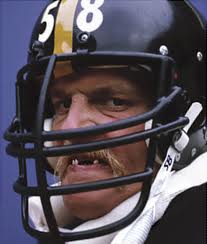
Jack Lambert -- not afraid to hit.

Jack Lambert, the “Man of Steel” who played middle linebacker for the Pittsburgh Steelers, is famous for tough hits and saying that quarterbacks should be forced to wear dresses.

It was a cute little quote suggesting the sport of football is all about violence, and that the violence should not be held in check.

But football also is about money, lots of money, and when you mix money with violence, you end up with sub-human behavior.

It was revealed this week that members of the New Orleans Saints contribute bounty money to pay players who seriously hurt members of the opposing team. A hit that results in a player being carried off the field earned $1,000; if a player was knocked out of a game the payoff was $1,500, and so forth. In a 2009 playoff, it appears a bounty of $10,000 was provided for disabling a quarterback.

So … does this make football fans feel good or bad? Or indifferent?

While the athletic abilities and physical finesse of NFL players are sublime, the brutality of football may be its biggest attraction. With the epidemic of concussions, things are being done to make the game safer, with the risk of making it less lucrative. Despite this, the game probably won’t get much safer until the players – who gain so much from winning – accept that football is not the Ultimate Fighting Championship.

They might be convinced of this if the NFL trots out the hundred of retired players who are physical wrecks, the ones who live with daily pain and don’t even get medical coverage from their former teams. Let these guys lecture the active players – like one of Scrooge’s ghosts.

That might convince them.

Even better, for at least one game, make them all wear dresses.

The preservation of the game is at stake.


Overlooked and under-appreciated

26 Feb

Under-appreciated


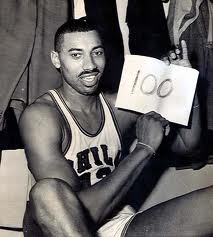
The Philadelphia Inquirer today carries an interesting piece on the 50th anniversary of Wilt Chamberlain scoring 100 points in a single basketball game. It carries a shocking disclosure that this historic accomplishment was not universally accepted as a tour de force. Many considered Chamberlain, at 7 foot 1, a freak of nature who actually was hurting the game. After Wilt’s 100-point outing against the Knicks (in Hershey, Pa.), the Philadelphia Warriors went to Madison Square Garden to again face the New York club. Interest was low. Only half of the 18,496 seats were sold.

Why is time and perspective required to understand the relevant and important?

Overlooked

I once worked at a newspaper in north Florida that had won a Pulitzer Prize for photography in 1967, long before I arrived. The winning photo was of a lineman up on a telephone pole. He had been shocked by an electrical surge and had passed out. His safety belt kept him hanging, enabling an apprentice lineman to climb up and give him mouth-to-mouth resuscitation. The photo was taken by Rocco Morabito and entitled, “The Kiss of Life.”

From the stories that were told, the photo ran on an inside page and of only modest size.

Can anyone recall instances where something historic or significant was overlooked or underappreciated until much later?


When faith creates an NBA fan

18 Feb

An old chum called the other day. He’s the kind of guy who has retained the quirks and traits of youth while transforming into something foreign.

We don’t see much of each other anymore; it’s usually by chance at the supermarket. He’s had more than a few troublesome twists in his life, and they seem to get worse with the years.

He doesn’t have a TV and he called to ask if he could come over to watch Jeremy Lin play basketball. Lin is a guard for the New York Knicks; an undrafted, unheralded Harvard grad who came off the bench and is credited with putting his team on a winning streak, and doing it with style. As an Asian-American, his presence in the NBA makes him stand out.

“I don’t remember you being a basketball fan,” I said.

“I’m not,” he answered. “But this guy is a sensation … and he’s a Christian.”

I paused.

“Aren’t most of the NBA players Christian?” I asked.

He paused.

“What do you mean?”

“I mean the dominant religion in America is Christianity. I assume the majority of the NBA players are Christian.”

“Jeremy Lin practices his faith,” my old friend said.

My inclination was to start an argument, asking if it was his Christian duty to judge the entire NBA.

But I didn’t.

I let it go and told him I’d to be happy to watch the next televised Knicks game with him.

“As long as it’s not on Sunday,” he said. He won’t watch TV on the Sabbath. (Would he think less of Lin for playing on the Sabbath?)

Afterward, I pondered his use of the word “faith,” which from my perspective on language I find odd. Why do Christians and member of other religions need to have faith? In the secular life we either believe something or we don’t, or maybe we admit we just don’t know. A Republican who claims lower taxes spur economic growth doesn’t require faith.

He or she simply believes it.

Why can’t Jeremy Lin and my friend just believe in what they espouse – that Christ is the divine savior who rose from the dead? Needing faith suggests doubt.

“Faith is believing something you know ain’t true,” Mark Twain said.

I have no doubt in my spiritual beliefs. That’s because they are my own. I’ve no need to take the dogma of others and cram it into my value system. I’m comfortable discarding what I don’t like or what doesn’t seem logical.

My religion is my own. I’ve crafted it.

In a piece I’m writing, I recommend others do the same. And I offer my view of a creator who has put the universe in motion based on a complex probability formula that ensures both free will and a pre-determined outcome.

The plan operates on its own, like a machine. There is no divine intervention. No corrections or adjustments. God does not help the Jews in battle.

After all, why would a perfect being have to intervene in something it created perfectly? That suggests imperfection.

Comments on this idea are appreciated and could help with the direction of my writing. I’d especially like to hear from Christians, of which I claim to be one.

Go Jeremy Lin!

A different kind of 1 percenter

20 Jan

A friend said he is rooting against the San Francisco 49ers because he doesn’t want the people who voted for Nancy Pelosi to have the satisfaction of a Super Bowl champion.