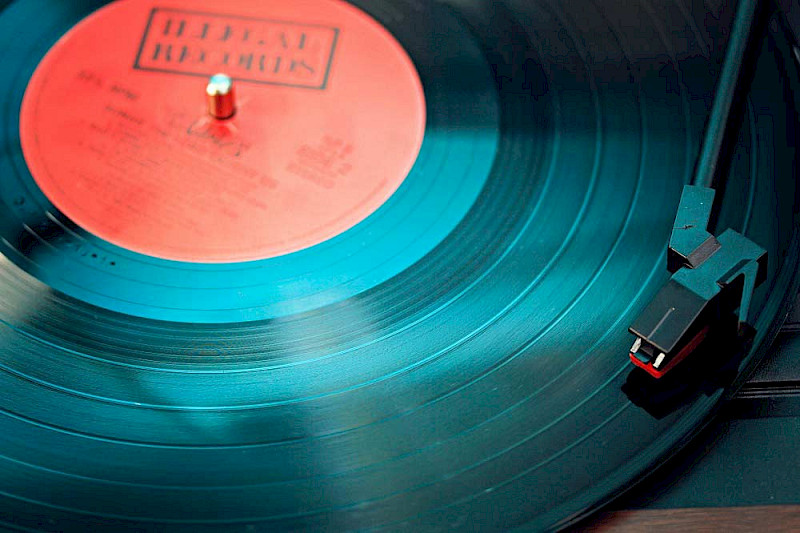
Today’s young hipsters just love their vinyl records. In my day, we had music on cassettes, but we also loved vinyl. At a party, we’d stack them up on the turntable and just let them go. Meanwhile, everyone at the party would just let themselves go.
There was one particular party where an inebriated fellow, let’s call him Dave, snuck off to a dark room with a young woman he was not especially attracted to or even fond of. And the vinyl played.
When the party ended in the early morning, the woman – nicknamed “The Pillow” — was gone, but he remained in a stupor on the floor, barely able to raise his head.
“Have fun?” I asked Dave. His answer, in the form it took, was unexpected and seemed to introduce a new type of metric not usually associated with the activity in which he had been engaged.
“Three sides of a record,” he said with a slur. “The Pillow blew me for three sides of a record.”
Taken aback, I had to ask him to repeat that, as if I didn’t understand, and in fact, I didn’t.
“She blew me for three sides of a record,” he said.
Yes, that’s what I thought he said.
Partly owing to liquor and partly owing to a lack of enthusiasm, Dave did not reach his moment. During the encounter, he simply sat there on the carpet in the dark room while the vinyl played and The Pillow attended to him. But he obviously paid attention to the music. That’s what I found both intriguing and offsetting. His audio preoccupation during his time was, to my mind, not an effective way to optimize the experience. With a woman seeking to give you extreme pleasure, does one count? That might be the last thing I’d do.
And it must be noted that the records David spoke of were not skimpy 45s. These were LPs – that’s short for long playing. LPs were and are 12-inches wide. Each side hold roughly 22 minutes of music. So, for Dave and The Pillow, their marathon session lasted in excess of an hour. If you were watching TV, that’s a full episode of Bonanza.
When LPs were the dominant form of music, record owners knew their recordings intimately. This was the ‘70s, and we called these precious pieces of vinyl “albums.” Each was a treasure to its owner, who knew every song and the order in which they appeared, knew when the A side or B side was playing, had studied the album cover art for hidden messages and symbols, had read the album notes and knew who was playing on each track. Considering all this, perhaps it was unnecessary for Dave to count each song or even pay much attention to the music. Instead, he could have just checked in occasionally, recognizing a song from one album, then focusing back on the performance in front of him, savoring it, enjoying it, then checking back on the music later, hearing another song and realizing the initial record had finished and a second one had started, and so on.
This seems much more realistic than counting individual tracks. But now, so many years later, I wished I had asked him how he did it, how he knew three sides of a record had played.
Then there’s the question of how it ended. I never asked this either. Did she tire and quit, or did he tell her to stop? Maybe the party just ended and so did they. A more vexing question is: Why in God’s name do I even think about this?
That may be the most disturbing aspect here. I’m oddly triggered when I see vinyl. I don’t reminisce about the mystical music. I dwell solely on the sides, three sides to be exact. For a certain activity, that’s a lot of sides. And it’s an everlasting memory for me. I can’t imagine what it is for Dave.
Ah, he’s probably forgotten.
And fortunately for me, all my music today is digital. I wouldn’t have it any other way.
I’m not necessarily a Yankees fan, but I respect and admire the team’s tradition of excellence. I’m more than willing to pay homage to Ruth, Gehrig, DiMaggio, Mantle, Maris, and all the others. They are legends of hard work, talent, and accomplishment.
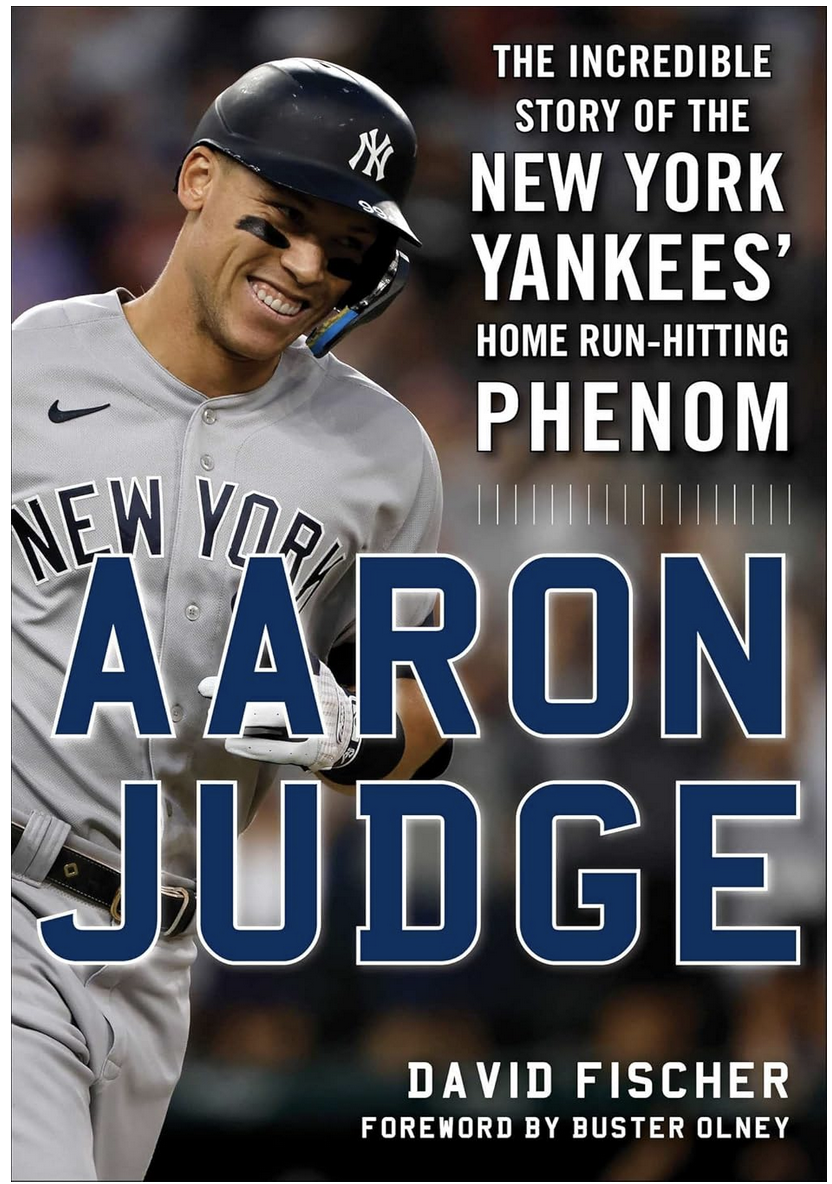
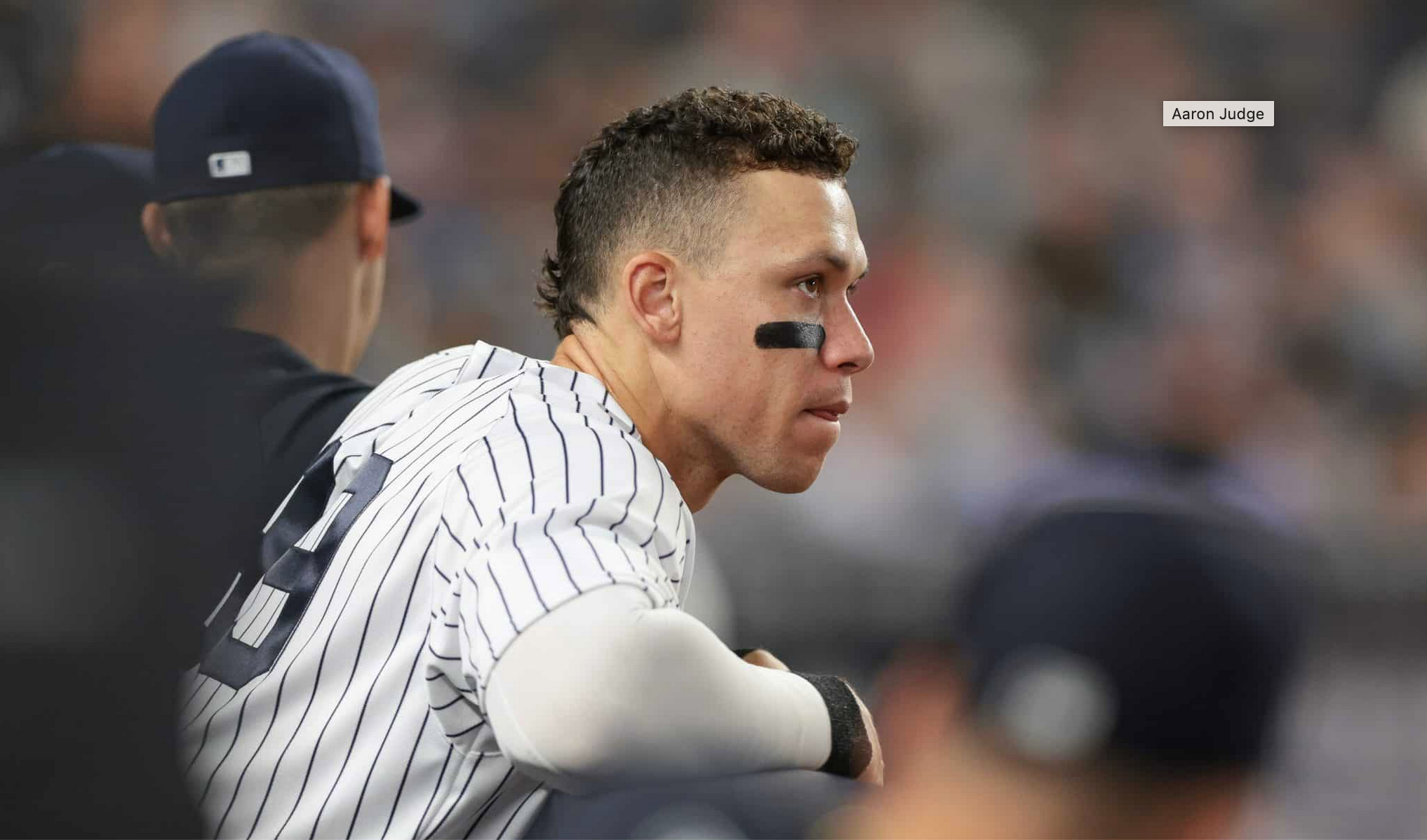
Aaron Judge, a six-time All Star and the 2017 Rookie of the Year, is a contemporary reflection of past greatness, an equal to the best of Yankee history with his 2024 regular season stats of 58 home runs, 144 RBIs, 180 hits, and a .322 batting average. His brilliance, however, dimmed in the World Series against the Los Angeles Dodgers. Judge’s inability to hit caused me discomfort and concern, as if his setback was my own.
It also made me remember the fate of a guy named Sonny Z, the best ball player ever to play in our neighborhood.
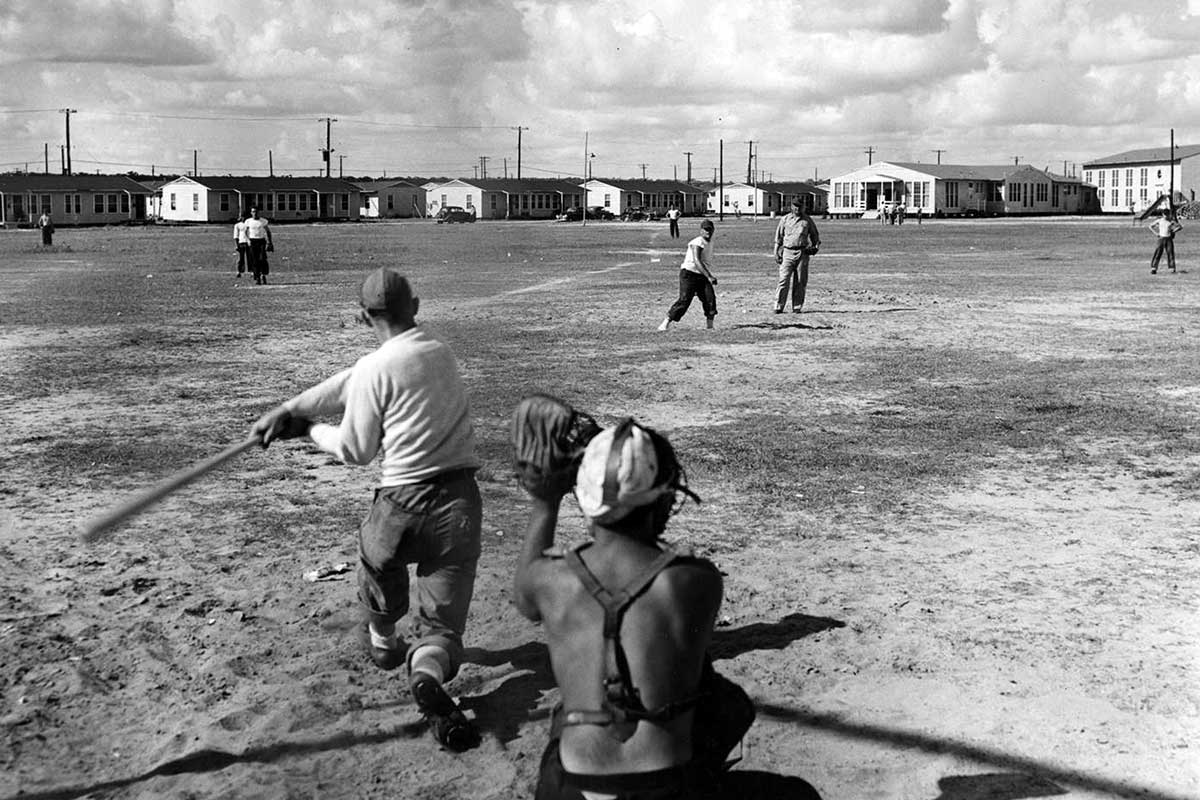
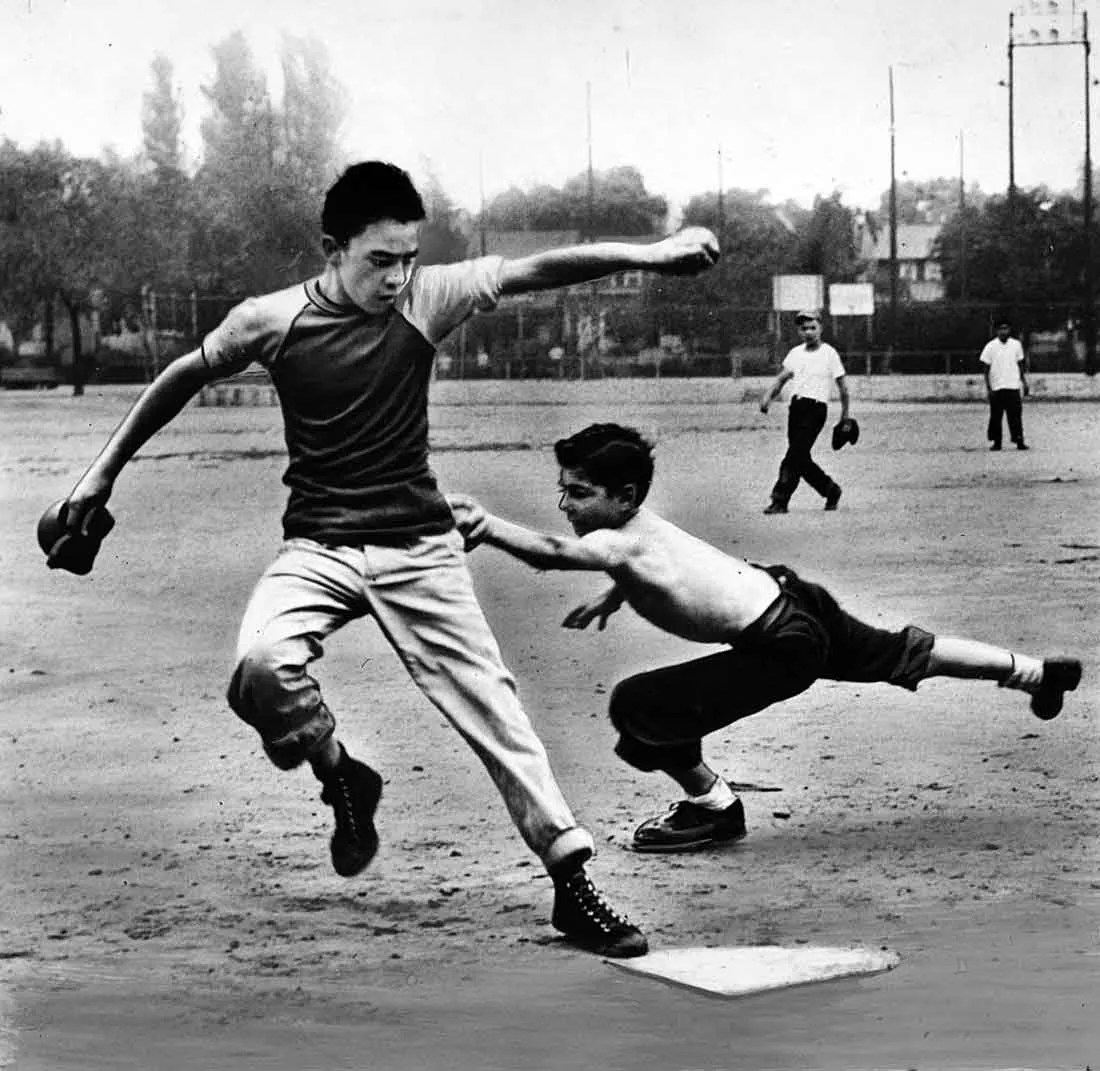
We were 12 when Sonny Z entered out lives. He was not from our neighborhood but had a girlfriend there, the older sister of someone in our gang. Although he was 19, Sonny Z often came out to our diamond and played with us.
Sonny Z was everything that baseball was. He talked like a ball player, walked like a ball player, looked like one, spat like one. There was little about him that wasn’t baseball. Baseball was his preoccupation and his obsession. They say he played in semi-pro, or in an industrial league, or maybe just Legion ball. I can’t really remember. But the thing about Sonny Z was he played on a level much above ours, and he always played hard — even against 12-year-olds. We loved that about him.
Out on our sandlot, he’d amaze us with his catches. When he came to bat, we watched him intently. We wanted to see his swing, to learn from it, to feel its power and to hear the thunderous crack of his bat. Inevitably, he would send our centerfielder running after a ball that landed way over his head and rolled and rolled and rolled, nearly into the next county.
Sonny Z sometime sat with us and told us of his baseball exploits. We were a rapt audience. Once, the subject of his name came up. The “Z” stood for a long Polish name we could not pronounce. And “Sonny,” it turned out, was not his real name. His real name was Marion. We thought “Marion” was a girl’s name and wondered how the very masculine Sonny Z ever got such a name.
“It’s spelled with an ‘O.’ That’s a man’s name,” he said. “The girl’s name is spelled with an ‘A’.”
One hot summer day, Sonny Z visited his girlfriend and joined us later on the ballfield. The bases were loaded with two outs and Sonny Z was up. He was, of course, going to hit a grand slam home run and clear the bases. We all knew this. He even told us so. The pitch came and – bang – there went the ball, high and far to centerfield. Playing center that afternoon was . . . me, one of the least-skilled athletes in our group. But when Sonny Z came to bat I knew enough to play deep. As the ball soared above me, I ran as fast as I could. I can’t recall if I was looking up or down, or even if I had my eyes open. I just remember running. Finally, in near exhaustion, I stuck my glove in the air, tripped over my own two feet and fell to the ground. When I got up, the ball was in my glove.
A little shrimp, a talent-less pipsqueak, had robbed the great Sonny Z of a grand slam home run.
Across the infield, the outfield, and among the players on the sidelines, there was a pronounced sigh of disappointment. And I felt guilty, as if I had done something wrong, as if I had harmed someone I loved. As I ran in to bat and Sonny Z ran out to take the field, he patted me on the head and said coldly, “Nice catch, kid.”
A month later there was big news. The biggest news of the summer, or perhaps of ever: Sonny Z was going to try out with the Philadelphia Phillies.
For us, this was like winning the lottery, or having your parents buy a candy store, or your new teacher being a former underwear model for the Sears cateloge. Better than all that. Soon we would have a friend and pal who is a for-real professional ball player. Someone who played on our modest little sandlot will be taking the field on game day at Connie Mack Stadium. We’ll know his name, we’ll know him, we’ll know his girlfriend. We’ll know the things he says and does, like flipping an imaginary switch on the heel of his glove and saying, “OK. The vacuum cleaner has been activated.”
When the day of the tryout came, we were too nervous to play. Instead, we sat around trying to anticipate how the tryout would go. Would Sonny Z send one out of the park? Would he make a flying grab? Would he get on base and quickly steal second? I think we even prayed, which we had never done as a group.
Then we waited.
It may have been the next day, or a couple days later. Sonny Z returned to our neighborhood. We ran toward him and leaped about. He looked solemn, but we ignored that and considered it modesty. “How did you do?” we asked. “How many hits did you get? Did they take you? Will you play this season or next, or go to the minors first? What was it like? What was it like?”
Sonny Z’s girlfriend was standing in the doorway of her house. Just standing, like it was a normal day. Sonny Z looked back at her, then to us. “I guess I did OK,” he said with vacant eyes. “Hit a couple. Made a good catch. There were lots of good players there.”
As a group, my friends and I deflated. Our soaring spirit crashed onto an already cracked pavement. Although it was hard to believe, we slowly, fog-like, accepted this new reality. The truth way, Sonny Z had been told by the Phillies that he was ordinary, which in the world of ambition is the worst they can say about you.
Sonny Z’s girlfriend called, and he walked away.
“Will they give you another chance?” we asked, and he did not answer.
I can’t recall if we ever saw him again, or ever heard of him again. But he did break up with my friend’s sister, which took him out of our neighborhood and our lives. We were not hero-less, but for a long time it felt that way. I’m sure the Yankee fans know the feeling.
People need to know their ship captain can sail through the storm; that their general will get them through the war; that the person they back for president will win; that when it’s the ninth inning, with two outs and the tying run on second and the go-ahead run – the hero — at the plate, he will do the job he was destined to do.
The hero makes life bearable for the ordinary. When Aaron Judge can no longer hit, those who are ordinary – the great masses of us — experience personal failure. That’s why we depend on our heroes to succeed, and to succeed with honor and valor, with dignity and a kind of magic. We only triumph through them. If they cease being heroes, then we are doomed in our ordinary-ness.
The most frightening thing for me about the Yankee-Dodgers series was the look on Aaron Judge’s face as he waited for a pitch. He’s a giant of a man with a granite jaw. Still, there was something about his face during those plate appearances that questioned his very being. It was deep doubt. A series like his would destroy an ordinary person. It would send most to the dust heap. As a professional, the great Judge surely will get past this. He’s not Sonny Z. As a dimmed hero leaving behind darkness, he can only shine brighter when the new season begins. And then everyone outside of LA can once again feel special, and the ordinariness of life will fade away, like the sun going down over the rightfield fence.
 notebookm.com