By Lanny Morgnanesi

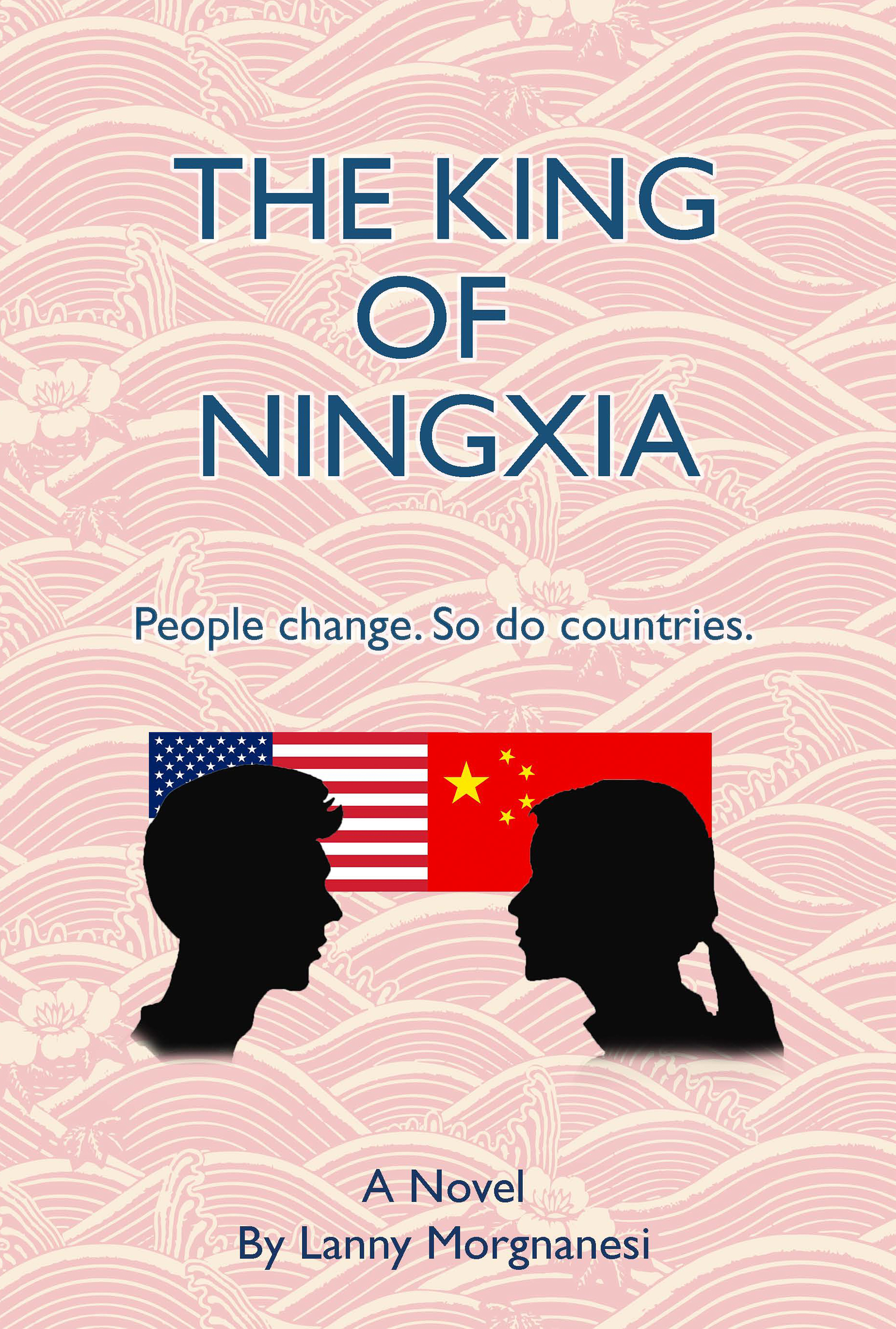
An old friend came home for our 55th high school reunion and had a criticism of my recent novel, The King of Ningxia.
The book uses a shifting timeline and is loosely based on my experiences in China during the mid-80s. The story is about the relationship between an American man and a Chinese woman, whose antics together help illustrate China’s great ascent in the world and its changing relationship with the U.S. But the book also includes a stupid joke. My friend was disappointed that only an abbreviated version of the joke appears, rather than the elaborate version I told years and years ago.
My friend felt the short version misrepresented the joke, was a disservice to the joke, was a disservice to his memory of the joke, and also a disservice to the novel.
I, of course, disagreed.
From my adult perspective, the joke is juvenile and not even funny. But my friend remembers how our gang laughed and laughed and laughed as I extended and stretched out the simple story of a guy trying to sneak a duck into a movie theater. To do so, he places the duck in his pants. Once in the theater, he opens his fly to give it some air. The lady next to him sees the duck’s head popping out of the pants zipper and says to her friend, “Look at that.” Her friend responds with a shrug, “When you’ve seen one you’ve seen them all.” To which the first woman says, “Yes, but this one is eating my popcorn.”
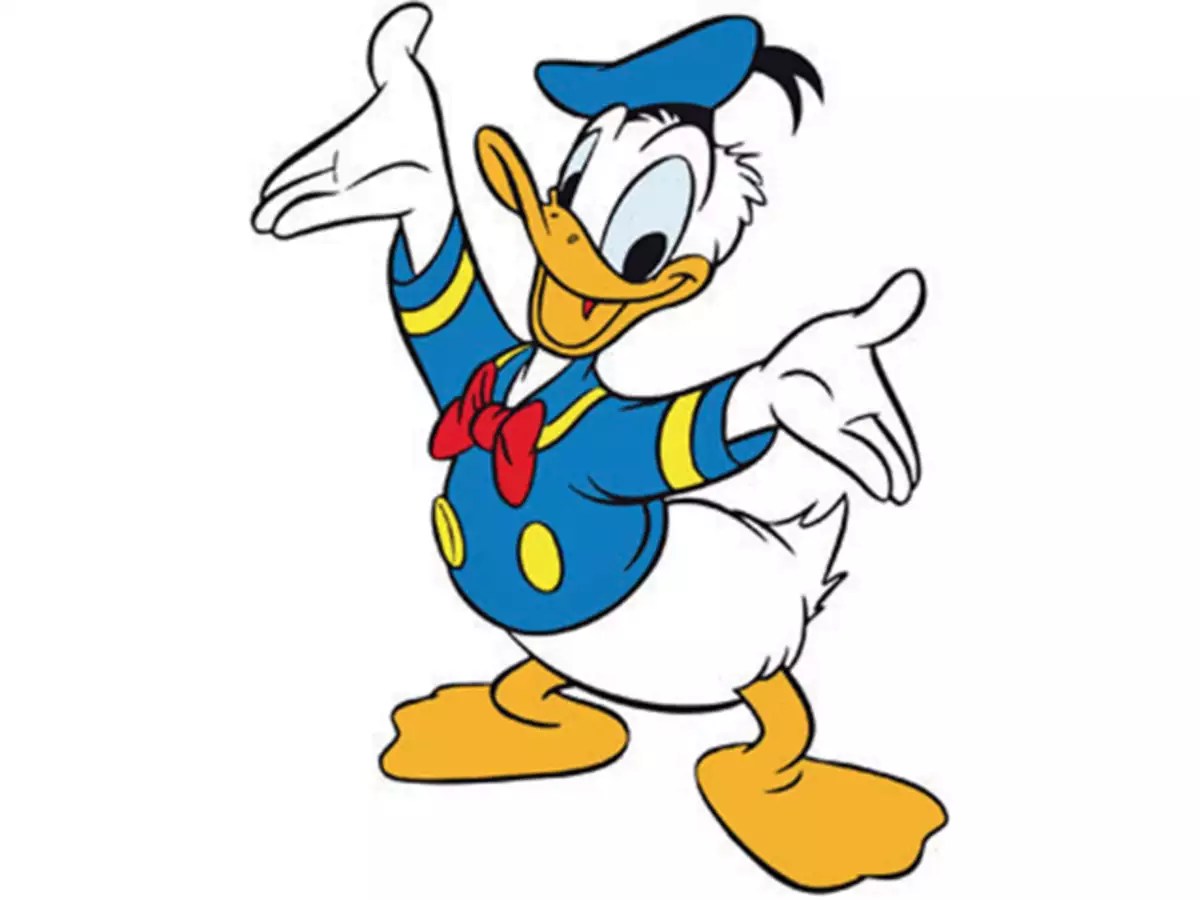
Now according to my old friend, I would tell this joke for 20 or 30 minutes. I’d do the voices of the duck owner, the ticket taker at the theater, the two old ladies, even the duck. I would push the joke farther than it was supposed to go, provide great detail and back stories, improvise and go on and on. My friend especially liked how I had the guy pleading with the ticket taker to let the duck in, saying the movie – a film starring Donald Duck – was his all-time favorite and his pet just had to see it.
I told this joke at parties back in the late ‘60s and reminded my friend that most people at those parties were using a substance that made them laugh at anything.
“It was marijuana telling the joke, and it was marijuana laughing at the joke” I said. “The joke, by itself, is not funny.”
He held his position and said the entire joke – which I certainly could not recollect – should have been included in The King of Ningxia. At this point, I had to explain why a short version is in the book, and what it was designed to do.
It occurs during a scene where the main character, the American male, tries to learn about Chinese culture by asking a Chinese person to tell a joke, to see if the humor translates. The person agrees and tells a story of a guy who sneaks his duck into a movie theater. (In real life, this is what happened when I asked for a joke). Rather than popcorn, this Asian duck eats the woman’s sunflower seeds, which is what Chinese people eat in movie theaters. The actual punchline is a bit different as well, but it is still the same joke. In response, the American tells his version of the joke, and they compare the two.
So, I say to my friend as we prepare to attend the reunion, “Do you see the purpose of the joke? It was not to get a laugh from the reader. It was to show that an aspect of culture can jump 10,000 miles across an ocean, from a capitalist country to a communist country, and be enjoyed by two entirely different people. It says something about the oneness of humanity, about the commonalities of our minds, about the strength of global reach, of geography’s inability to contain us and the uselessness of political barriers to stop the flow of information.”
“Yeah,” said my friend. “But when the guy in the joke practically gets on his hands and knees and cries, ‘It’s Donald Duck, his favorite actor. You’ve got to let him in.’ How could you not have included that?”
It was as if my friend was still smoking weed.
“Well,” I said. “Maybe in my next novel.”
I really should end this here, but in contrast to the duck joke, I want to relate a funny Chinese video – Chinese howl at this one – that Americans just don’t get. It’s a video of a street scene in China, and there is a horse in the street. A man walks by and pats the horse on the ass. The horse then violently kicks the man in the head.
Why is this funny?
It is funny because there is a famous Chinese saying that to get ahead, you must pat the horse’s ass, meaning you must suck up and flatter authority figures. People who don’t suck up are angry that those who do receive special privileges. Therefore, the video gives the non-suckers delight in showing that sucking up does not always work.
Are you laughing yet?
No? Did you hear the one about the duck in the movie theater?
 notebookm.com
Leave a comment